
Bone Health Support: Daily Habits That Matter

Bone health is easy to overlook until something starts to feel fragile: a scan result, a fracture, a reminder that strength is not only about muscles, but the structure beneath them. The better approach is quieter and more preventive. Supporting bone health is rarely about one “miracle” nutrient alone. It is usually the result of steady, cumulative habits: eating enough calcium, getting adequate vitamin D, staying active, and protecting the body from the long-term effects of inactivity, smoking, excess alcohol, and under-fuelling. That broader, lifestyle-first message also sits at the heart of many wellness articles on the topic, including public-health and medical sources.
Why Bone Health Deserves Earlier Attention
Bones are living tissue. They are constantly being broken down and rebuilt, and that process changes with age. The National Institute on Aging notes that osteoporosis causes bones to become weak and more likely to break, and that keeping bones strong as we age depends on enough calcium, vitamin D, and protein, along with regular activity. The National Health Service (NHS) similarly recommends exercise, healthy eating, and vitamin D as part of osteoporosis prevention.
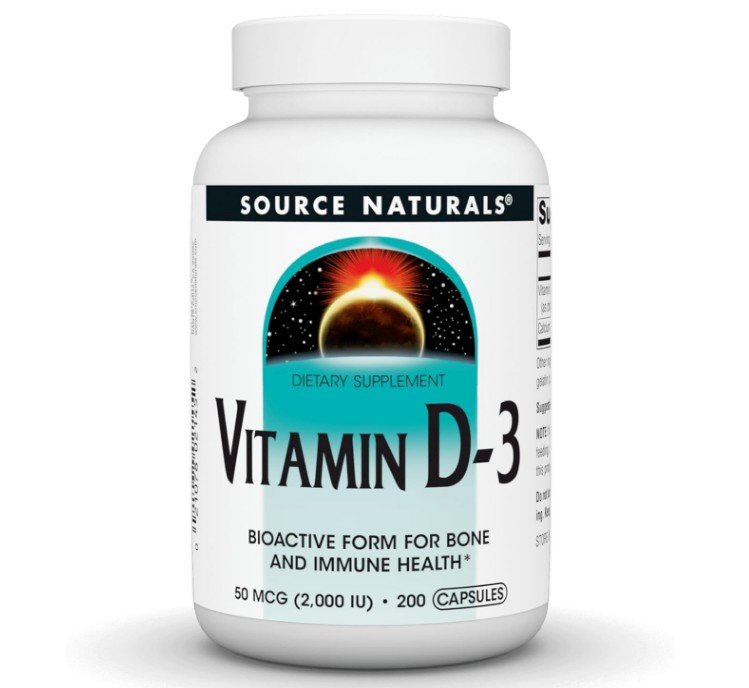
vitamin D supplement for daily consumption
This is one reason bone health support should be seen as a long-term practice rather than a later-life fix. By the time bone loss becomes obvious, the more protective work has ideally already been happening in the background.
1. Prioritise calcium, but start with food
Calcium remains one of the most important nutrients for bone health. The NHS says adults need 700 mg of calcium a day, and that most people should be able to get what they need from a varied, balanced diet. Good sources include milk, cheese, yoghurt, calcium-fortified plant drinks, tofu, some green vegetables, nuts, bread made with fortified flour, and fish where you eat the bones, such as sardines.That food-first approach is worth holding onto. Calcium supplements can be useful in some cases, but they are not automatically necessary for everyone.
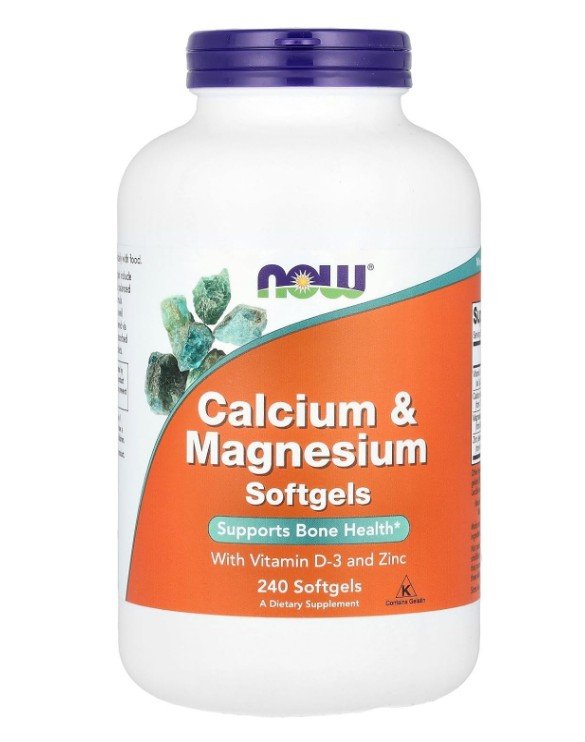
Calcium Supplement for Daily Consumption
A calcium + magnesium supplement can help support bone health, muscle function, and normal nerve signaling, especially if your diet is low in either mineral. Calcium is best known for helping maintain strong bones and teeth, while magnesium supports muscle, nerve, and overall metabolic function, making the combination a practical way to help fill nutritional gaps when needed.
2. Do not separate calcium from vitamin D
If calcium is the building material, vitamin D helps the body use it properly. Vitamin D promotes calcium absorption in the gut and supports normal bone mineralisation, while the NHS explains that vitamin D helps regulate calcium and phosphate, which are needed to keep bones, teeth, and muscles healthy.
The NHS also advises that all adults should consider 10 micrograms of vitamin D a day, particularly during autumn and winter, and notes that vitamin D is especially important in osteoporosis prevention. That means bone health support is not just about adding more calcium and hoping for the best. The two work together.
3. Make exercise part of the plan
Nutrition matters, but bones also respond to load. The National Institute on Aging recommends staying active to help keep bones strong, and its falls-and-fractures guidance advises adults to aim for at least 150 minutes of physical activity each week, alongside activities that support strength and balance.
In practical terms, that means bone health is supported by movement that asks the body to work: walking, resistance training, dancing, stair climbing, and other weight-bearing or muscle-strengthening activities. The goal is not to chase intensity for its own sake, but to avoid the long stretches of physical passivity that does not help in bone health.
4. Do not forget protein and overall nutrition
Bone health is not built on calcium alone, getting enough protein (especially collagen peptides) each day also supports bone and muscle health. The NHS notes that protein is important for muscle maintenance, and this matters because bone strength and fall prevention are closely connected to muscle health, balance, and body weight. An important note to consider – being underweight is also linked to a higher risk of fractures.
A more useful dietary mindset, then, is not simply “Which supplement should I take?” but “Is my overall intake enough to support strength?” Bone health tends to benefit from consistent nourishment, not selective nutritional panic.
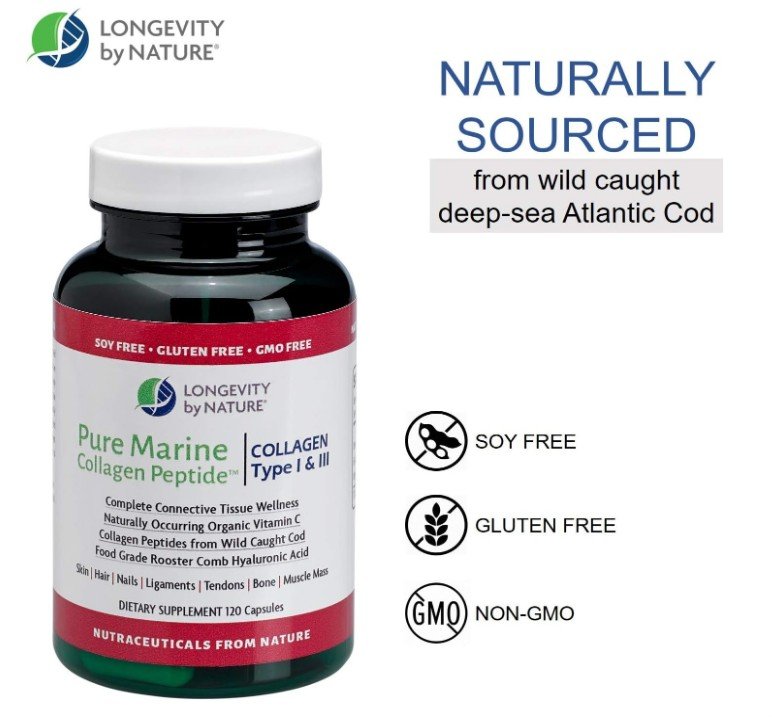
Protein (Collagen Peptide) Supplement That Supports Bone Health for Daily Consumption
Collagen Peptides – specifically type 1 collagen provides the essential “scaffolding” (glycine and proline) that makes up 90% of your bone’s organic matrix. Studies show taking 5g daily can significantly increase bone mineral density.
5. Treat supplements as support, not the whole strategy
Supplements can be appropriate when intake is low, needs are higher, or a clinician recommends them, but they are not the entire story. The National Institute of Health (NIH) bone-health nutrition overview notes that nutrients such as calcium, vitamin D, and magnesium are important, and that some people may need supplements if diet alone is not enough. At the same time, evidence around calcium supplements is not uniformly conclusive for fracture prevention, so it is more accurate to present supplements as supportive tools rather than automatic essentials. That distinction helps keep the advice grounded. A supplement can fill a gap. It cannot replace a pattern of low intake, low movement, or lifestyle habits that steadily work against bone health.
6. The lifestyle factors still matter
As part of working towards a healthy lifestyle, this includes stopping smoking and reducing alcohol as part of osteoporosis prevention, alongside exercise and nutrition. These habits may not sound glamorous, but they are part of the real architecture of bone support. This is often the less marketable side of wellness: the fact that sleep, movement, nourishment, and moderation are still more powerful than most quick fixes. Bone health support is, at its core, cumulative.
Who Should Pay Closer Attention?
Bone health deserves more attention if there is a family history of osteoporosis, low body weight, poor dietary intake, little exercise, or long periods indoors with limited vitamin D exposure. Insufficient calcium and vitamin D are among the risk factors for weaker bones with age. That does not mean everyone needs the same intervention. It means bone support should be personalised: food first, vitamin D where appropriate, exercise as a non-negotiable, and supplements used thoughtfully rather than reflexively.
Essential Takeaway
The most effective bone health support is rarely dramatic. It is built through repetition: enough calcium from food, enough vitamin D, regular weight-bearing movement, adequate protein, and daily habits that protect rather than deplete. That may sound simple, but simplicity is often what works best.
If there is one useful shift to make, it is this: think of bone health less as a supplement category and more as a long-term structure of care. The body responds well to consistency, and bones are no exception.